


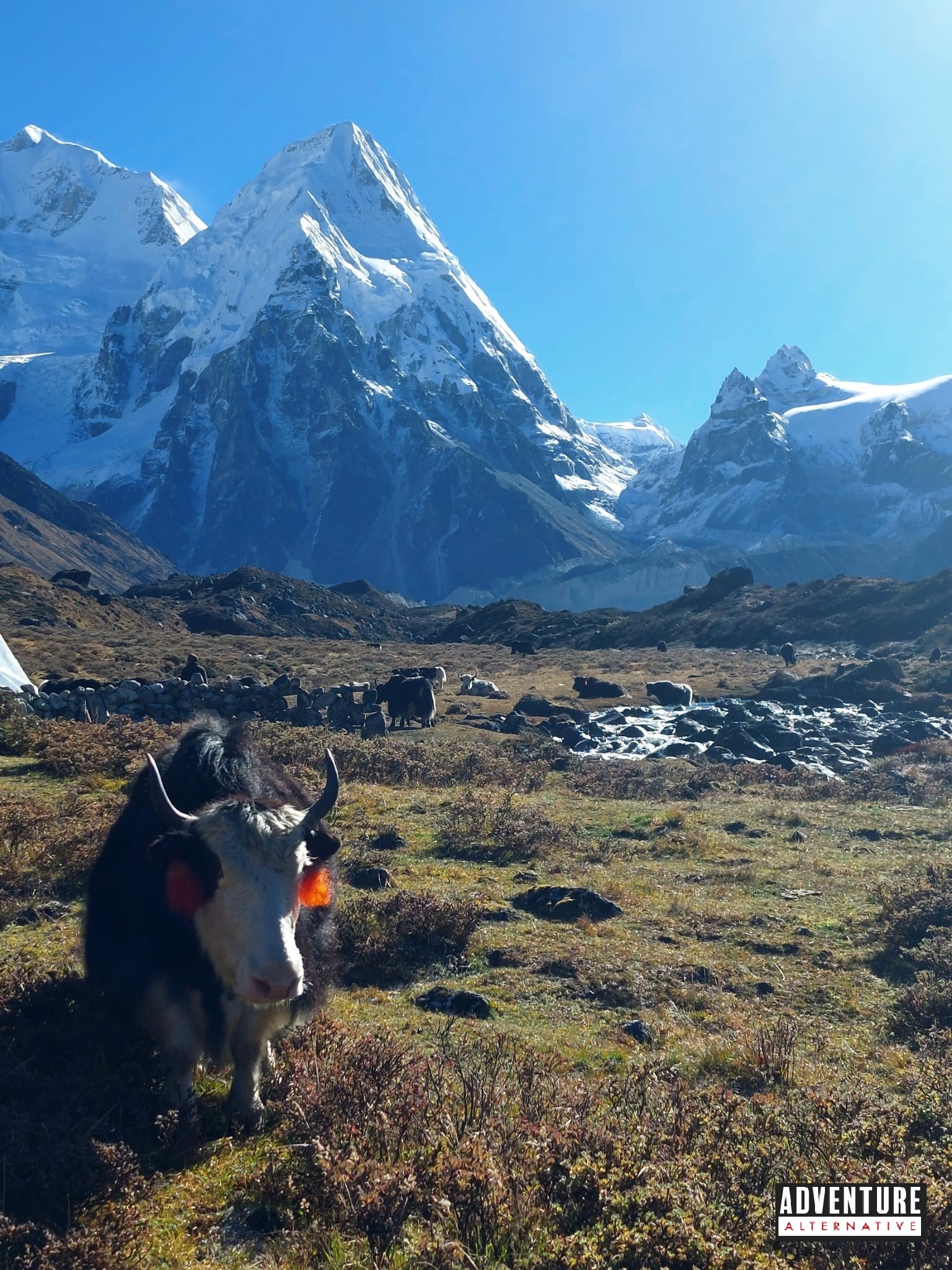
Nepal Safari Holidays
Nepal Wildlife Safaris


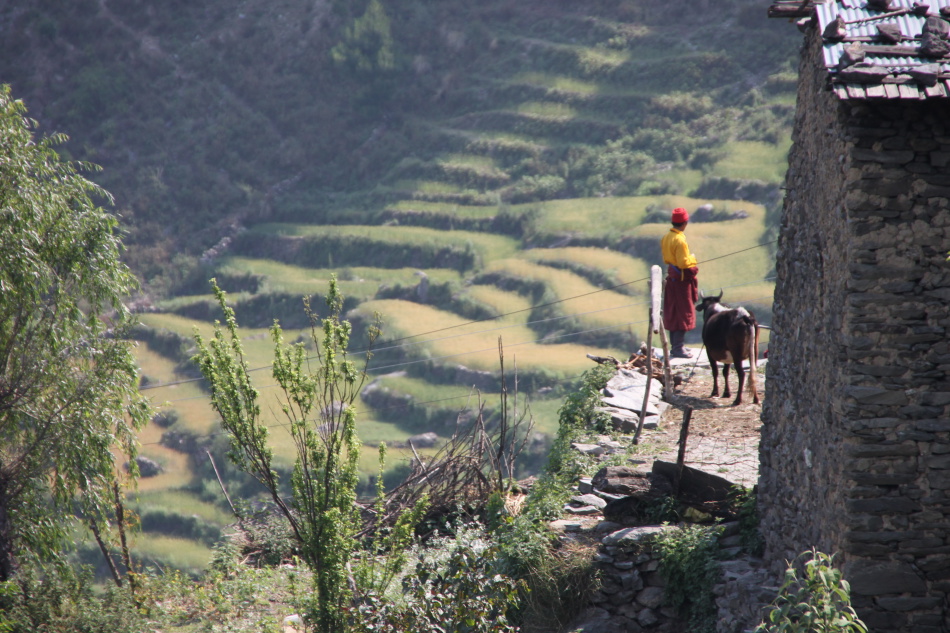
Nepal Wildlife Explorer Safari
 Days Days |
12 |
 Challenge Challenge |
Relaxed |
Enquire for Details

Speak to a Nepal Wildlife Safaris Expert



Co-ordinator of Adventure Alternative Nepal, Anurodh the main point of contact for arranging the excursions that Adventure Alternative Nepal run and is very friendly, helpful and has excellent English. He will look after the preparation of all trips in Nepal and be on hand to meet with all our clients and provide information and support.
Anurodh prides himself on his enthusiasm and attention to detail, and enjoys the task of providing a...
Best Safari Parks In Nepal
Chitwan National Park
Include:
- UNESCO status
- rhino sightings
- good accessibility from Kathmandu/Pokhara
- best for first-time safari travellers
Bardia National Park
Include:
- fewer tourists
- strong tiger-tracking reputation
- remote wilderness appeal
Koshi Tappu Wildlife Reserve
Include:
- birdwatching
- wetlands
- migratory species
- wild water buffalo
| Park | Best For | Wildlife | Accessibility | Experience |
|---|---|---|---|---|
| Chitwan | First safari | Rhinos, elephants, crocodiles | Easy | Popular & varied |
| Bardia | Tiger tracking | Tigers, deer, dolphins | Moderate | Remote wilderness |
| Koshi Tappu | Birdwatching | Water buffalo, migratory birds | Moderate | Wetland ecosystems |
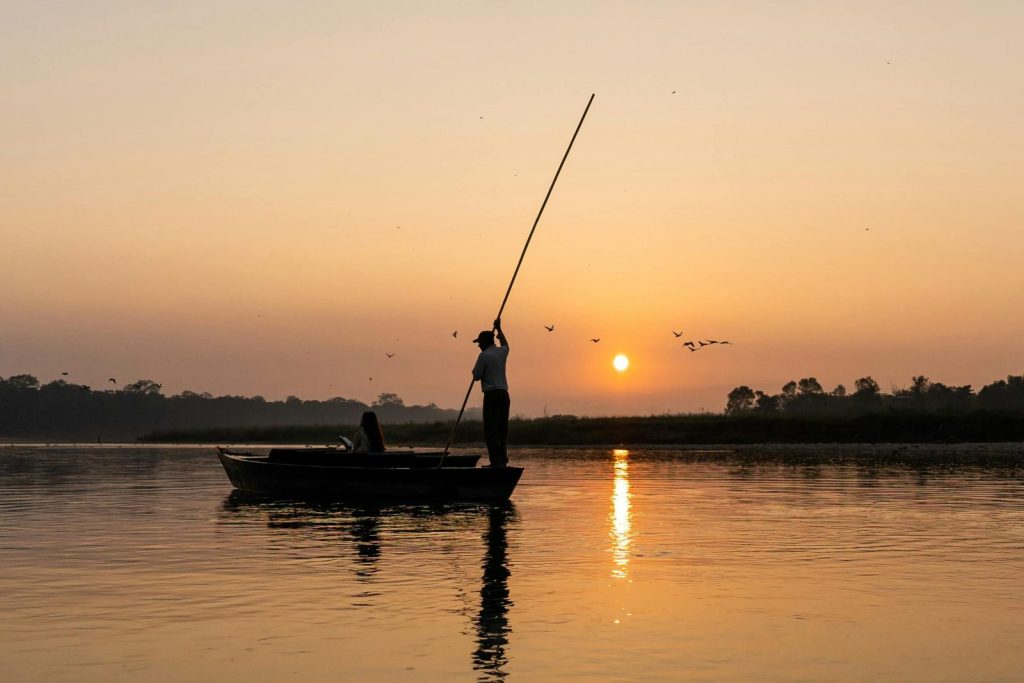
Combination Itineraries
We have decades of experience and specialist knowledge amongst our team. Whether you want to scale to the summit of Everest, or peacefully sit and capture images of Nepal’s wildlife – we cater for it all. We love curating experiences that work specifically for you. Below are a few ideas – but do contact us about your plans and ambitions and let us put together an itinerary that works for you.
- Everest Base Camp Trek + Chitwan Safari
- Annapurna Trek + Bardia Safari
- Manaslu Trek + Bardia Safari
- Kathmandu City Tour + Pokhara + Chitwan
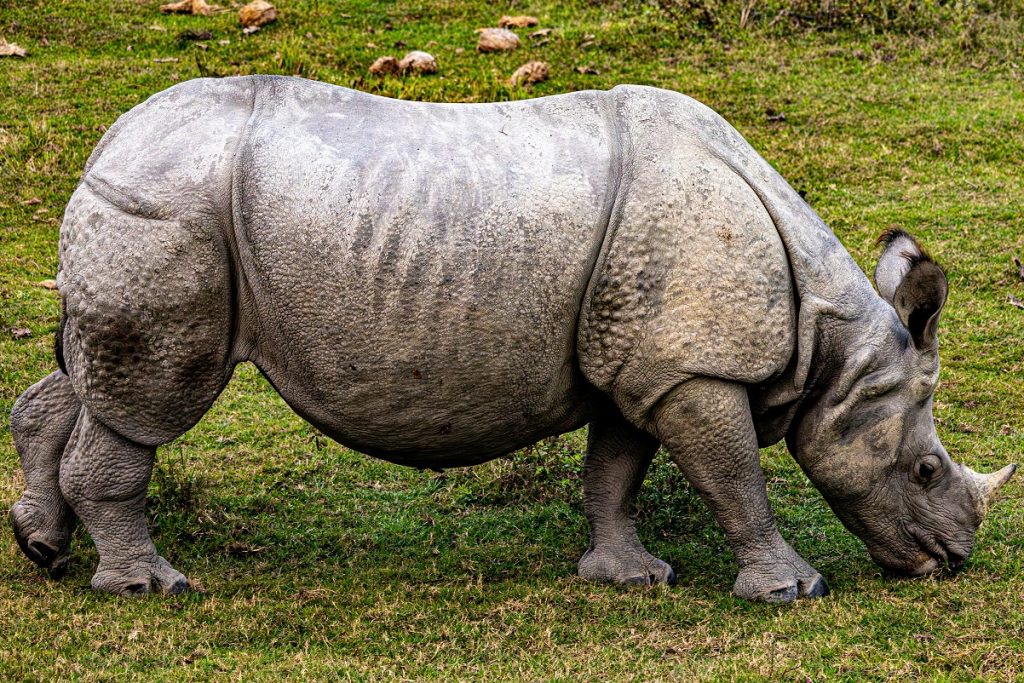
Why Ethical Safaris Matter In Nepal.
Choosing an ethical Nepal safari helps ensure that tourism supports:
- Wildlife conservation
- Animal welfare
- Local livelihoods
- Indigenous knowledge
- Sustainable rural development
For travellers, ethical safaris also tend to create more meaningful experiences because they involve deeper cultural engagement, smaller-scale tourism and more genuine connections with Nepal’s landscapes and communities.
Ethical wildlife tourism is becoming increasingly important in Nepal as travellers look for safari experiences that support conservation, protect wildlife habitats and benefit local communities. The best Nepal safaris focus on responsible travel practices that minimise environmental impact while creating sustainable income for people living near national parks.
Unlike heavily commercialised safari destinations, Nepal still offers opportunities for lower-impact and community-based wildlife experiences, particularly in areas such as Chitwan National Park and Bardia National Park.
Local Guides and Indigenous Knowledge
Experienced local guides are central to ethical safaris in Nepal. Many naturalists, trackers and jungle guides come from communities that have lived alongside the forests and wildlife of the Terai region for generations.
Local guides provide:
- Expert wildlife tracking knowledge
- Cultural insight into the region
- Safer and more responsible wildlife encounters
- Better understanding of animal behaviour and conservation
Using locally trained guides also ensures that tourism income remains within the surrounding communities.
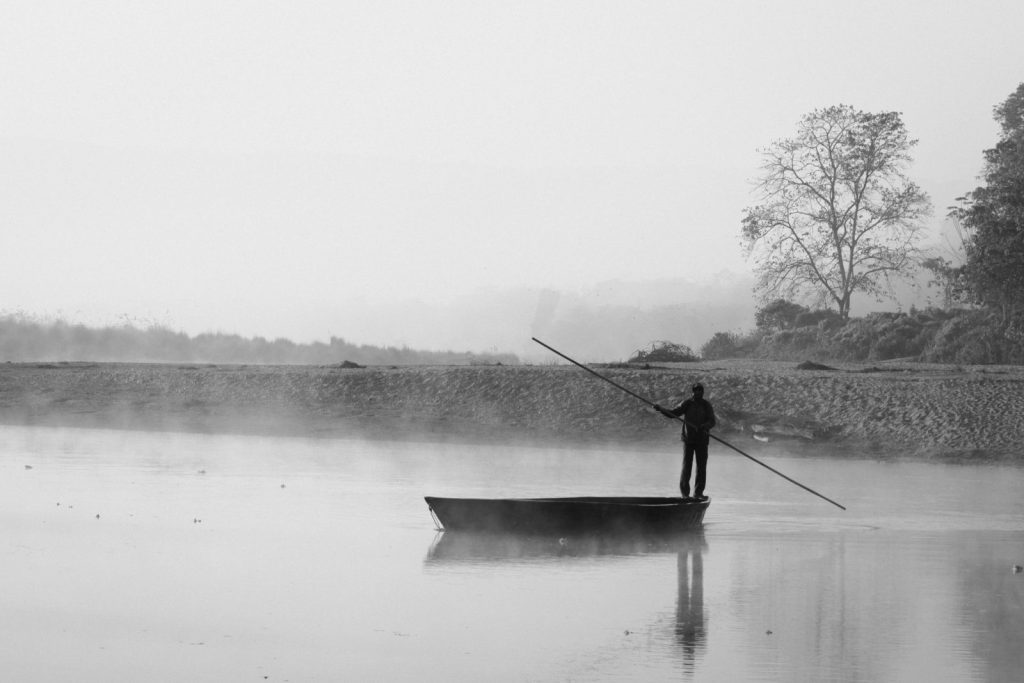
In parks such as Bardia, many guides are highly skilled trackers with deep knowledge of tiger movement, birdlife and jungle ecosystems, creating a more authentic safari experience than heavily vehicle-based tourism elsewhere in Asia.
Community Lodges and Responsible Tourism
Community-owned lodges and locally operated accommodation play an important role in sustainable tourism in Nepal. Staying in locally managed lodges helps generate employment and long-term economic benefits in rural mountain areas and also near protected wildlife reserves.

We set up Adventure Alternative Nepal several decades ago and invest, train and support our team in Nepal. We also work with the local communities and support them not just financially through employment but also through our charitable arm, Moving Mountains. We support several schools, have installed micro-hydro electric plants, built clinics, installed clean water systems to several villages and clean air cooking systems – and our work continues. On trips we actively prioritise:
- Locally owned accommodation
- Local staff employment
- Regional food sourcing
- Smaller-scale tourism infrastructure
This approach helps reduce economic leakage from tourism while encouraging communities to actively support wildlife conservation and habitat protection.
Community tourism models are especially valuable in buffer zones surrounding Nepal’s national parks, where sustainable tourism can reduce pressure on forests and discourage illegal activities such as poaching or deforestation.
Conservation and Wildlife Protection
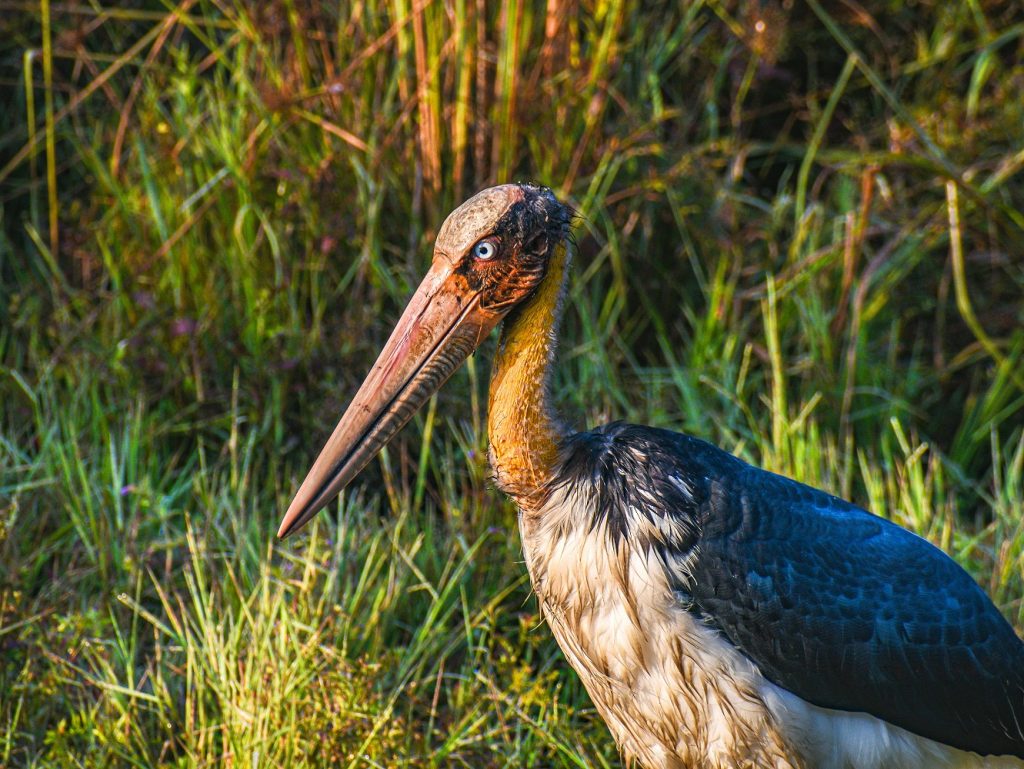
Nepal is widely recognised as a conservation success story, particularly for the recovery of endangered Bengal tiger and one-horned rhinoceros populations.
Protected areas such as:
- Chitwan National Park
- Bardia National Park
- Shuklaphanta National Park
have benefited from stronger anti-poaching measures, habitat restoration and community conservation initiatives.
Ethical safaris support conservation by:
- Funding park fees and wildlife protection
- Supporting conservation employment
- Creating economic incentives to preserve habitats
- Encouraging sustainable land use near protected areas
Responsible tourism also helps raise international awareness about Nepal’s biodiversity and the importance of protecting fragile jungle ecosystems in the Terai lowlands.
Avoiding Exploitative Elephant Tourism
Travellers increasingly seek wildlife experiences that avoid practices harmful to animal welfare. In Nepal, some traditional elephant tourism activities have faced criticism, particularly elephant rides and captive entertainment experiences.
We avoid:
- Elephant riding
- Forced animal performances
- Inappropriate wildlife interaction
- Close-contact tourist activities that stress animals
Instead, we focus on:
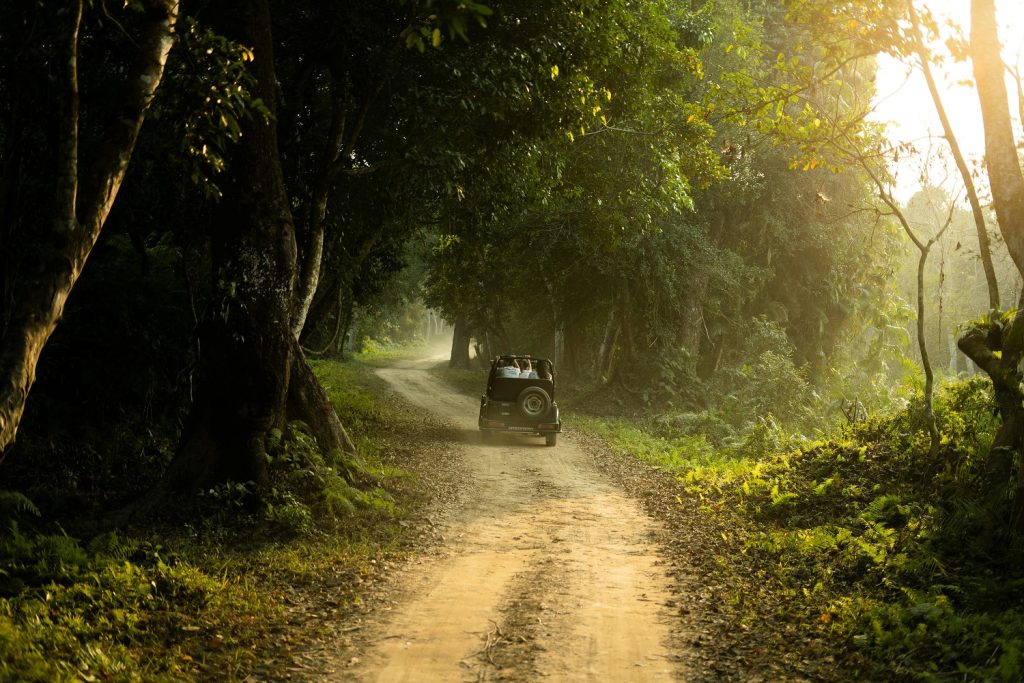
- Jeep safaris
- Canoe trips
- Walking safaris
- Observation-based wildlife experiences
- Visiting ethical elephant retirement or conservation centres where appropriate
Choosing operators committed to animal welfare helps encourage more sustainable tourism standards across Nepal’s safari industry.
Supporting Local Economies
Wildlife tourism can provide vital income for communities living near Nepal’s protected areas, especially in rural regions where employment opportunities may be limited.
Ethical Nepal safaris contribute to local economies through:
- Local guiding and porter employment
- Community-owned lodges and homestays
- Purchasing local food and supplies
- Supporting craft industries and cultural tourism
- Funding education and conservation programmes
When tourism revenue directly benefits local communities, wildlife and natural habitats become more valuable as protected resources rather than exploitable land.
This connection between tourism, livelihoods and conservation is one of the reasons Nepal has become an increasingly respected model for community-supported wildlife protection.
Frequently Asked Questions
Our Experience Articles
World’s Highest Marathon, Ojos del Salado, Chile
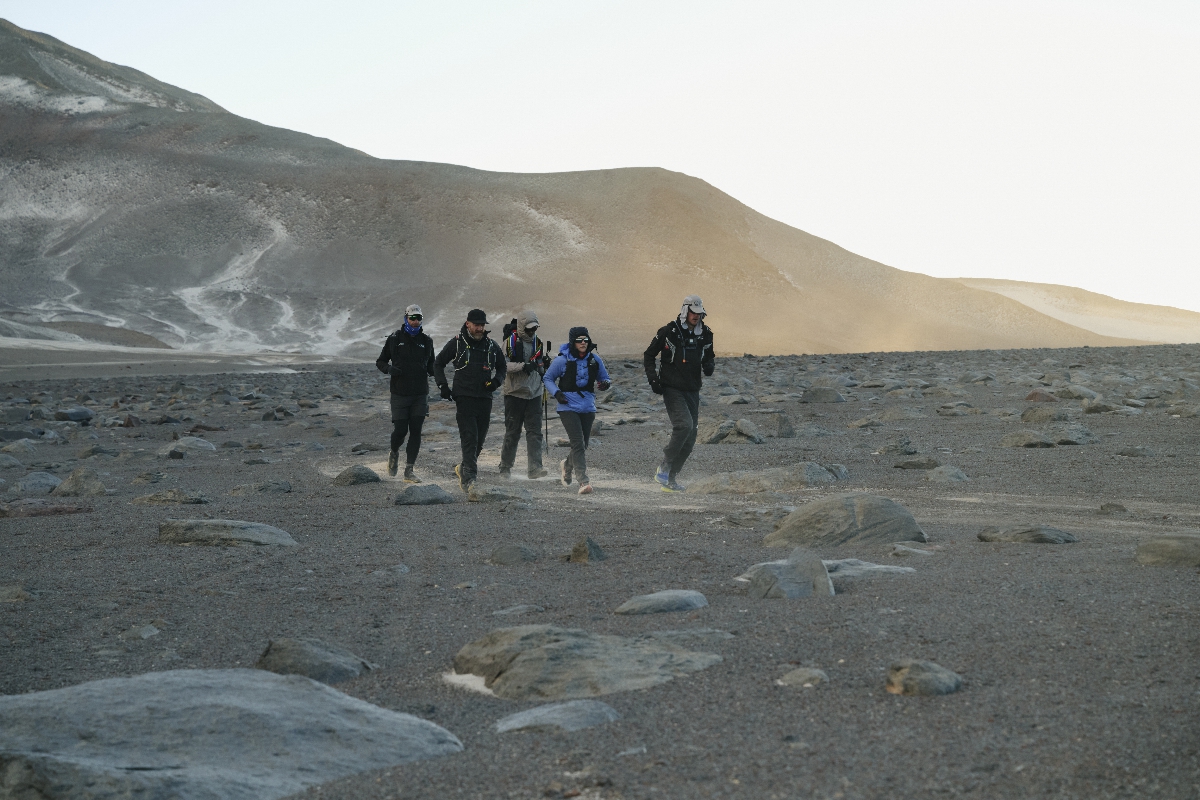
February 2026...after months of planning and organising with BecomingX and our partners High Mountain, we set off to the remote Atacama Desert...

Accommodation in Embu Guest House
Anyone visiting Embu on a Medical Elective or to volunteer with the Moving Mountains Trust will spend time in our Adventure Alternative guest...
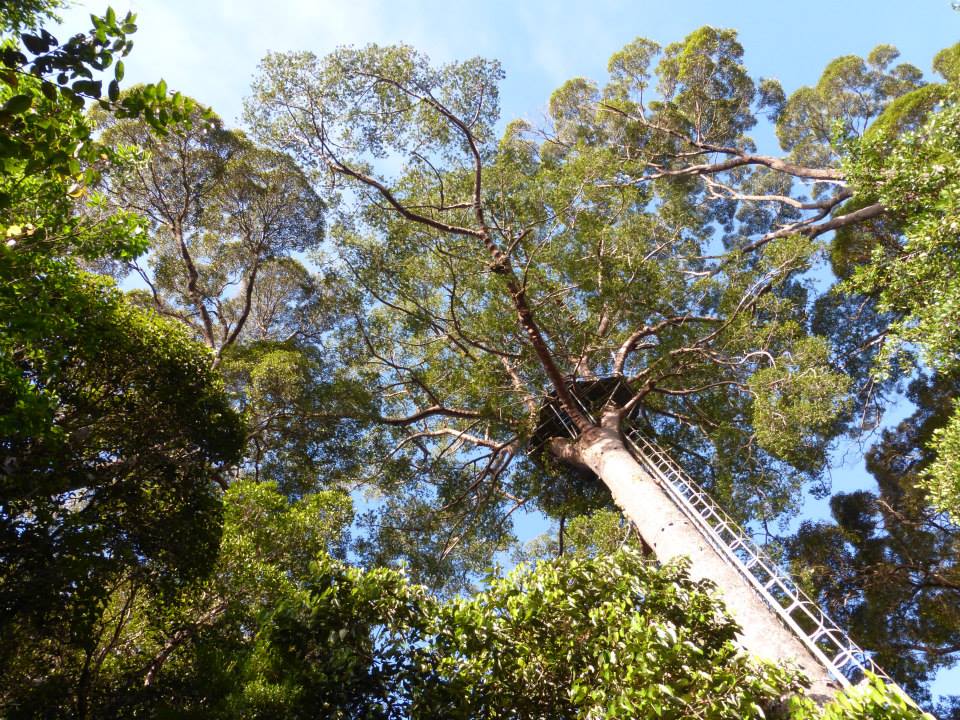
How challenging is a Maliau Basin Trek?
The Maliau Basin has only partially been explored, leaving over 50% of the area completely untouched. It is conservation reserve of dense, untamed...
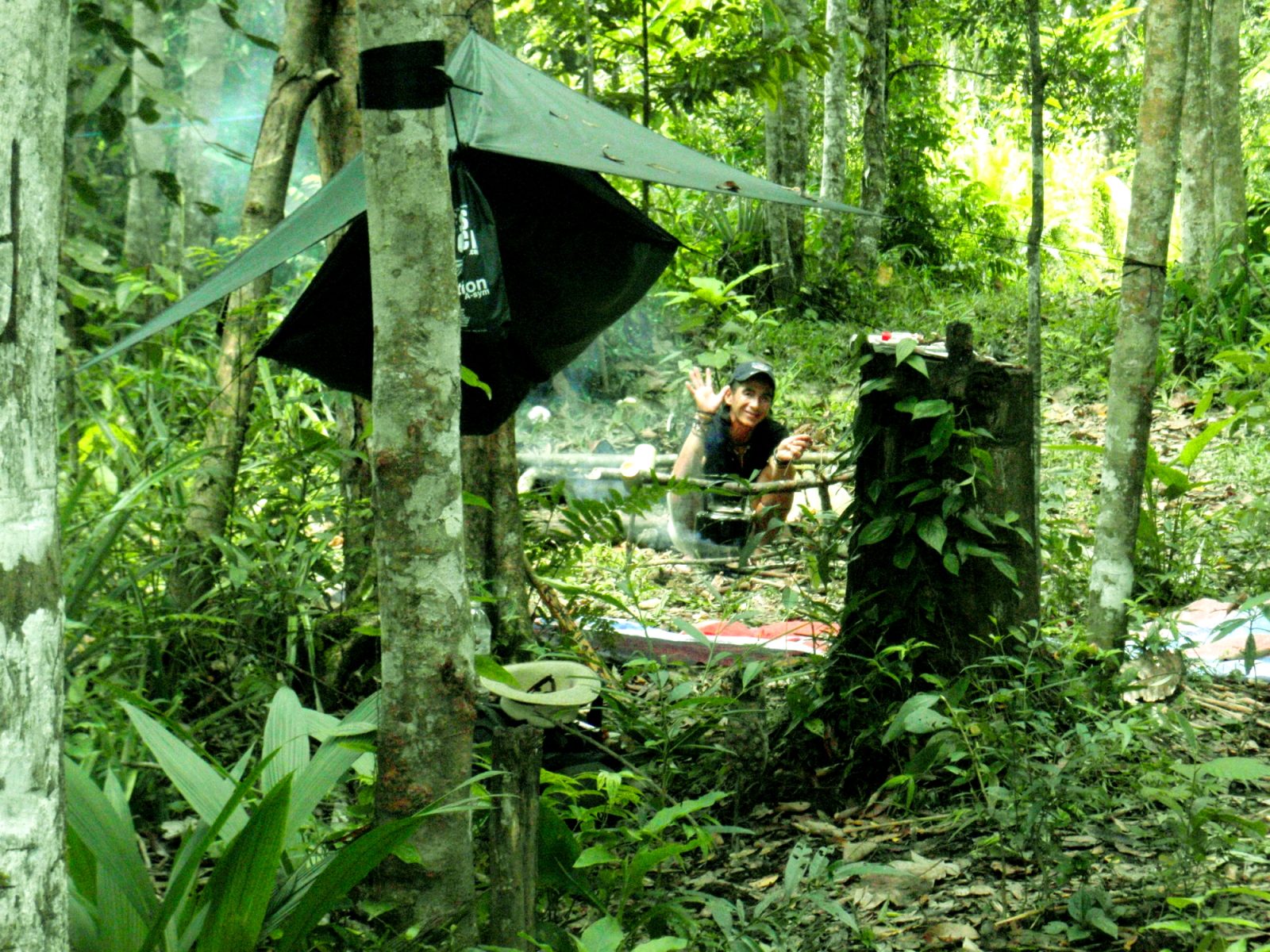
Hammock Life – Volunteering in Borneo
Nothing quite beats waking up to the sound of the rainforest while gently swinging in a weightless cocoon; the dappled sunlight...
Jungle Survival Tips
The last 12 months have been a big period for adventure movies in Hollywood, with The Revenant, The Jungle Book and now ‘Jungle’ starring...
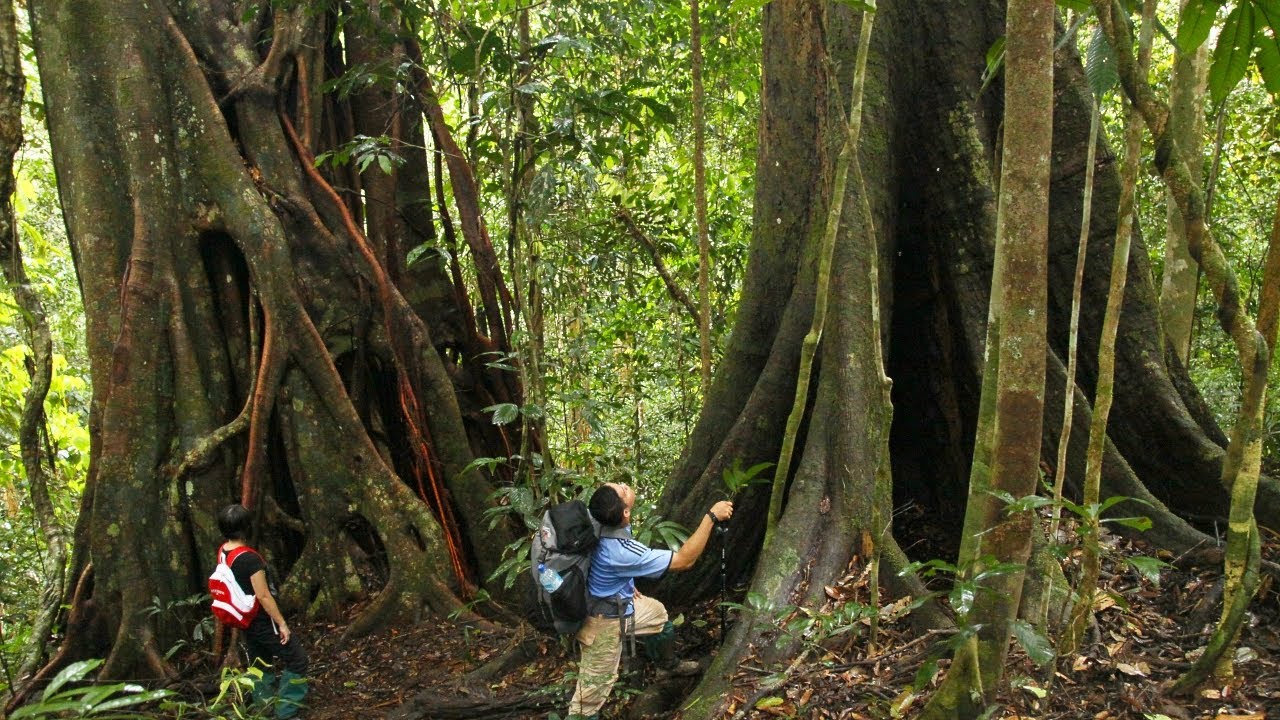
Top 10 Facts about Borneo’s Maliau Basin
A UNESCO World Heritage sight, the Maliau Basin is an enormous forested hollow in the state of Sabah, Borneo. It is home to a huge variety of flora...