


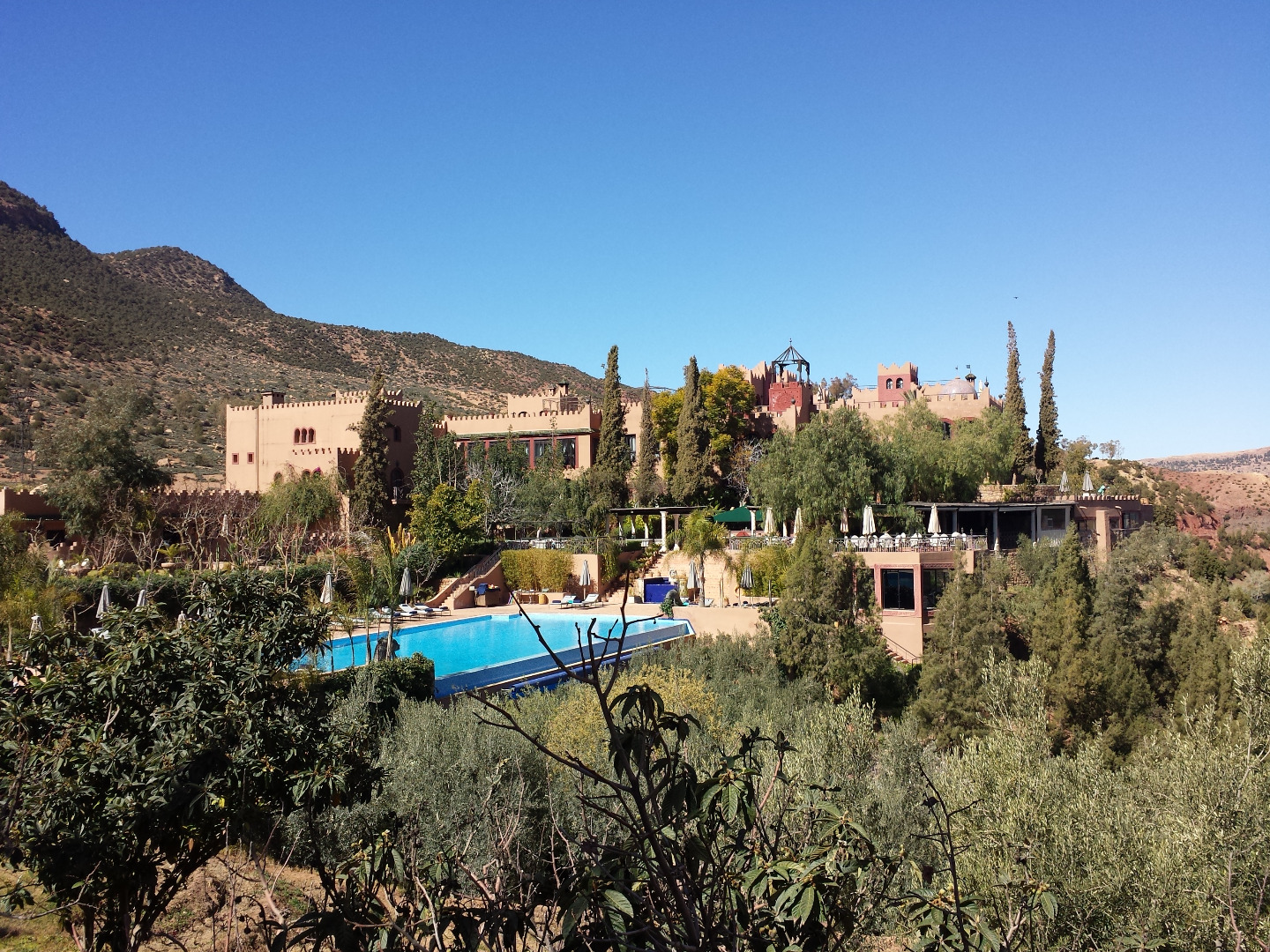
About Morocco
GEOGRAPHY OF MOROCCO
Morocco has a history as an independent nation state stretching back to the 9th century, interrupted only by the brief interlude of the Protectorate (1912-1956) when the country was divided into French and Spanish zones. Morocco, unlike her North African neighbours, was never part of the Turkish Empire.
To the south, Morocco claims and has occupied the territory of the Western (formally Spanish) Sahara. This claim forms a major rallying point in domestic politics. Morocco’s political system is evolving from a strongly centralised monarchy to a parliamentary system. The King retains much of the executive power, but the Parliament and most of the government are democratically elected.
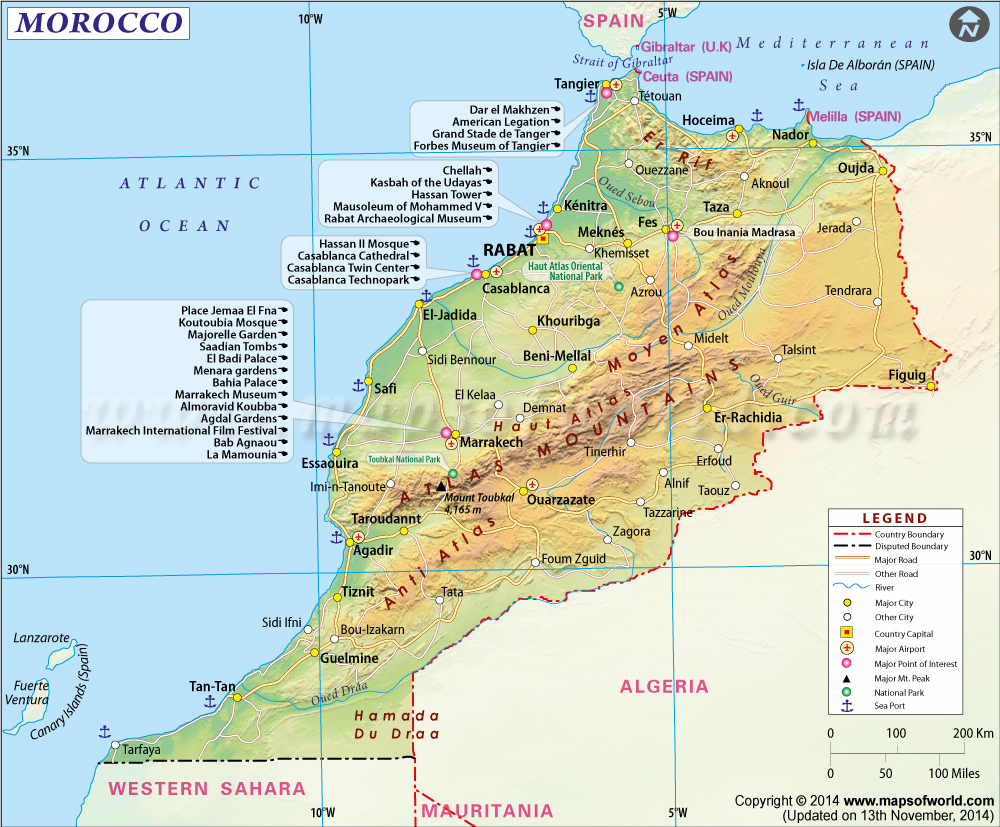
Morocco has a coast on the Atlantic Ocean that reaches past the Strait of Gibraltar into the Mediterranean Sea. It is bordered by Spanish territory to the north, Algeria to the east, and Western Sahara to the south. Since Morocco controls most of Western Sahara, its de facto southern boundary is with Mauritania. Morocco’s capital city is Rabat; its largest city is its main port, Casablanca. Other cities include Agadir, Essaouira, Fes, Marrakech, Meknes, Mohammadia, Oujda, Ouarzazat, Safi, Salé, Tangier and Tétouan. The geography of Morocco spans from the Atlantic Ocean, to mountainous areas, to the Sahara Desert.
A large part of Morocco is mountainous, the Atlas Mountains are located mainly in the central and southern regions of the country. The mountain areas are mainly inhabited by the Berber people and you’ll have the pleasure of getting to know them on our Mount Toubkal climbs and Moroccan treks. The Berber people have their own language although the official language of Morocco is Arabic but due to historical influences French and Spanish are also widely spoken.
CLIMATE IN MOROCCO
The climate in Morocco is such that it does not exclude travel at any time of the year, although some will find the mid-summer temperatures uncomfortable for trekking. Daytime temperatures in Marrakech vary from around 18degC in December-January to 36degC in July. In the Atlas, the temperatures will generally be a few degrees cooler though it may feel even colder with the effects of wind-chill. On a cold day in the winter high in the Atlas the temperature is well below freezing with abundant snow cover.
Along the coast, the weather takes on a more Mediterranean feel, dry and mild. However, if you head south the climate exudes a desert atmosphere with vast temperature swings from day to night. Daytime is very hot and dry, while the temperatures can be below freezing at night.
For up-to-date weather information check out snow-forecast.com.
CULTURE IN MOROCCO
As with travel to all locations in the world it is important to respect the social and cultural norms of Morocco. This will ensure that you are welcomed and get the best possible reaction from our hosts. However, you do not need to worry about causing offence by failing to observe subtle details of Moroccan culture. The main thing is that you behave respectfully and in a friendly way. If at any point you are unsure of what might be expected of you, just look around at what others are doing or simply ask.
Morocco is mainly Muslim in its religious observation and as such many of its customs stem from Islamic beliefs. You will certainly notice the ‘call to prayer’ in Marrakech and up in the mountains at Imlil.
MOROCCAN TIME
One thing that sometimes takes a bit of getting used to is the local Moroccan interpretation of time. In common with many places in Africa, everything is on a fairly relaxed schedule. For example, it is not unusual for a breakfast set for 8am to arrive at 8:30am. In the UK and a lot of other western countries it is considered rude or unprofessional to be anything more than a few minutes late, however this is not the case in Morocco. Therefore, it is necessary to be relaxed and patient and try not to be offended if timings slip a bit.
DRESS CODE FOR MOROCCO
Dress ‘modestly’, this is especially true of female visitors. For general guidance you should keep your upper arms to the elbow and upper legs to the knee covered. In addition, tops should not finish above the waistline of your trousers and expose your mid-riff and your neckline should not extend down more than a few inches. In some situations it will be appropriate for women to cover their head and hair with a scarf. You should look around to see if others are doing so or ask one of the Moroccan’s accompanying you.
TIPPING IN MOROCCO
Tipping in Morocco is expected in hotels. 20 – 30 Dirhams should suffice for bags and cleaning services. At restaurants tip 5-10% of the bill if a surcharge has not already been added. For taxis, round up your fare. Tipping guides and porters is not mandatory, but it certainly is appreciated. For more information on tipping refer to our tipping guide.
FESTIVALS AND HOLIDAYS
Morocco is a predominantly Muslim nation. So all Muslim holidays are observed. However, do take note that the Islamic calendar is different than the western calendar. For up to date information, research when Islamic holidays fall on the calendar year you are traveling.
Other notable holidays and festivals include:
Marathon des Sables: Every year in April competitors from around the world partake in a 6-day race through the Moroccan Desert.
The Rose Festival: In May they celebrate the rose harvest in Kalaat M’Gouna.
The Fes Festival of World Sacred Music: Held in June, this festival celebrates spiritual dances and songs. With whirling dervishes, chanters, and mystics this festival provides a unique look into the culture and customs of Morocco.
Essauira Gnawa and World Music Festival: This festival is held in Essaouira during the month of June and celebrates the music and acrobatics of the Gnawa.
Marrakech Popular Arts Festival: A national festival celebrating folk music, fortune tellers, snake charmers, fire swallowers and acting troupes.
Imichil Marriage Festival: This is a Berber marriage festival in August where up to 40 couples get married in the High Atlas Mountains.
Erfoud Date Festival: Early October the Erfoud region celebrates the date harvest with dance, food, and folk music.
LAWS IN MOROCCO
The following advice is intended to provide a brief outline of any laws in the destination country that are directly applicable to travelling there. This is not intended to be exhaustive or complete and laws do change from time to time so we strongly advise visiting the UK Foreign Office website and checking for their current advice.
In general the laws of any country will be based on the same values as at home but significant differences can be present subject to the prevailing cultural, religious and political environment in the country. These four basic factors can be your main guide to how to act in unfamiliar situations. If you are any doubt as to what to do in a given situation it is usually possible to identify the “safest” fall back option and go with it. For example, not buying something, not taking a photo of a government building etc.
This information should also be read in conjunction with our relevant page on Practical Information for Morocco.
Religion
Local laws reflect the fact that Morocco is an Islamic country. You should respect local traditions, customs, laws and religions at all times and be aware of your actions to ensure that they do not offend other cultures or religious beliefs, especially during the holy month of Ramadan or if you intend to visit religious areas. Women, especially when travelling alone, will attract attention. To minimise hassle, you should dress inconspicuously and avoid wearing clothes that could be regarded as provocative (e.g. short skirts and low-necked strappy tops), except on the beach. It is against the law to carry bibles in Arabic, to attempt to distribute any non-Muslim / evangelical literature or be involved in any such activity is illegal.
Drugs
The penalties for possession of even small amounts of drugs are severe; up to 10 years’ imprisonment, with no remission for good behaviour, heavy fines and confiscation of your vehicle.
Money
You should bring sufficient funds for the visit in cash or credit cards. There is no limit on the amount you can import.
MOROCCO BOOKS AND MAPS
Here are some handy resources for your trip to Morocco.
Guidebooks
Mountaineering in the Moroccan High Atlas, D. Clark, Cicerone, ISBN 978-1852846114
Trekking in the Atlas Mountains, K. Smith, Cicerone, ISBN 978-1-85284-421-9
Moroccan Atlas – The Trekking Guide, A. Palmer, Trailblazer, ISBN 978-1873756775
The High Atlas: Treks & Climbs. H. Brown, Cicerone, ISBN 978-1852846718
Atlas Mountains, Morocco. R G Collomb. West Col Productions. ISBN-13: 978-0906227084
Maps
Toubkal & Marrakech, 1:50,000, Orientazion, ISBN 84-935600-0-6
Toubkal, Alto Atlas, Marruecos. 1:40,000, Editorial Piolet, ISBN 13: 9788495945426
Jbel Toubkal, 1:50,000. Ministere de l’Agiculture. Feuille NH-29-XXIII-I a
High Atlas Morocco, 1:100,000/1:1,500,000/1:20,000, TerraQuest, ISBN 9788361155263
Morocco Adventure Map, 1:1,000,000. National Geographic. ISBN-13: 978-1566955300
History & Culture
Morocco: From Empire to Independence, C. Pennell, Oneworld, ISBN 978-1851686346
A Traveller’s History of North Africa, B. Rogerson, Gerald Duckworth & Co Ltd, ISBN 978-0715637388
Climbing and Mountaineering
Mountains of the Mind: a History of a Fascination, Robert Macfarlane, Granta Books, ISBN-10: 1847080391, ISBN-13: 978-1847080394
Book Your Adventure of a Lifetime Now
Discover our trips to other Countries
Adventure Alternative Articles
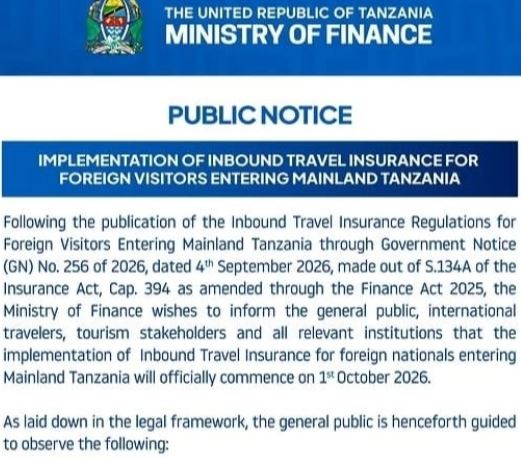
Tanzania – Introduces Mandatory Travel Insurance (NIC)
Do I need to buy a special Travel Insurance policy to enter Tanzania? In short yes, from the 1st October 2026 all visitors to mainland Tanzania...
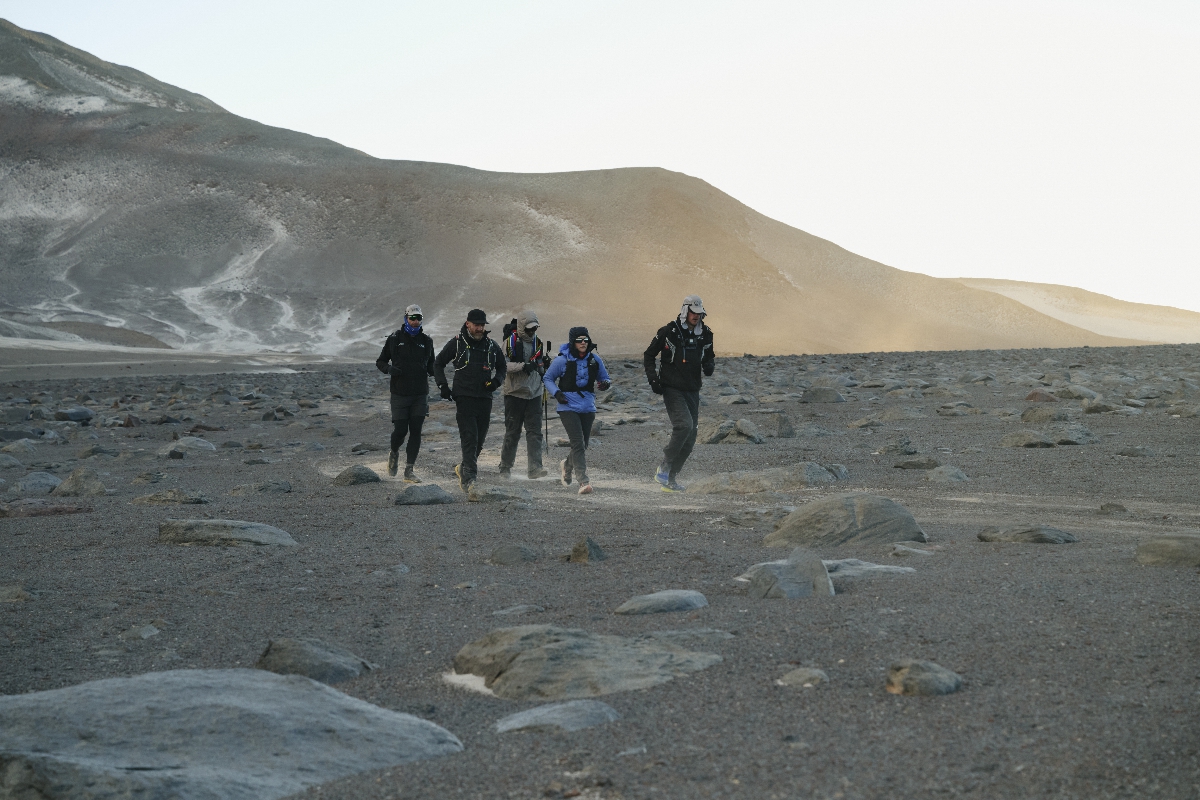
World’s Highest Marathon, Ojos del Salado, Chile
February 2026...after months of planning and organising with BecomingX and our partners High Mountain, we set off to the remote Atacama Desert...
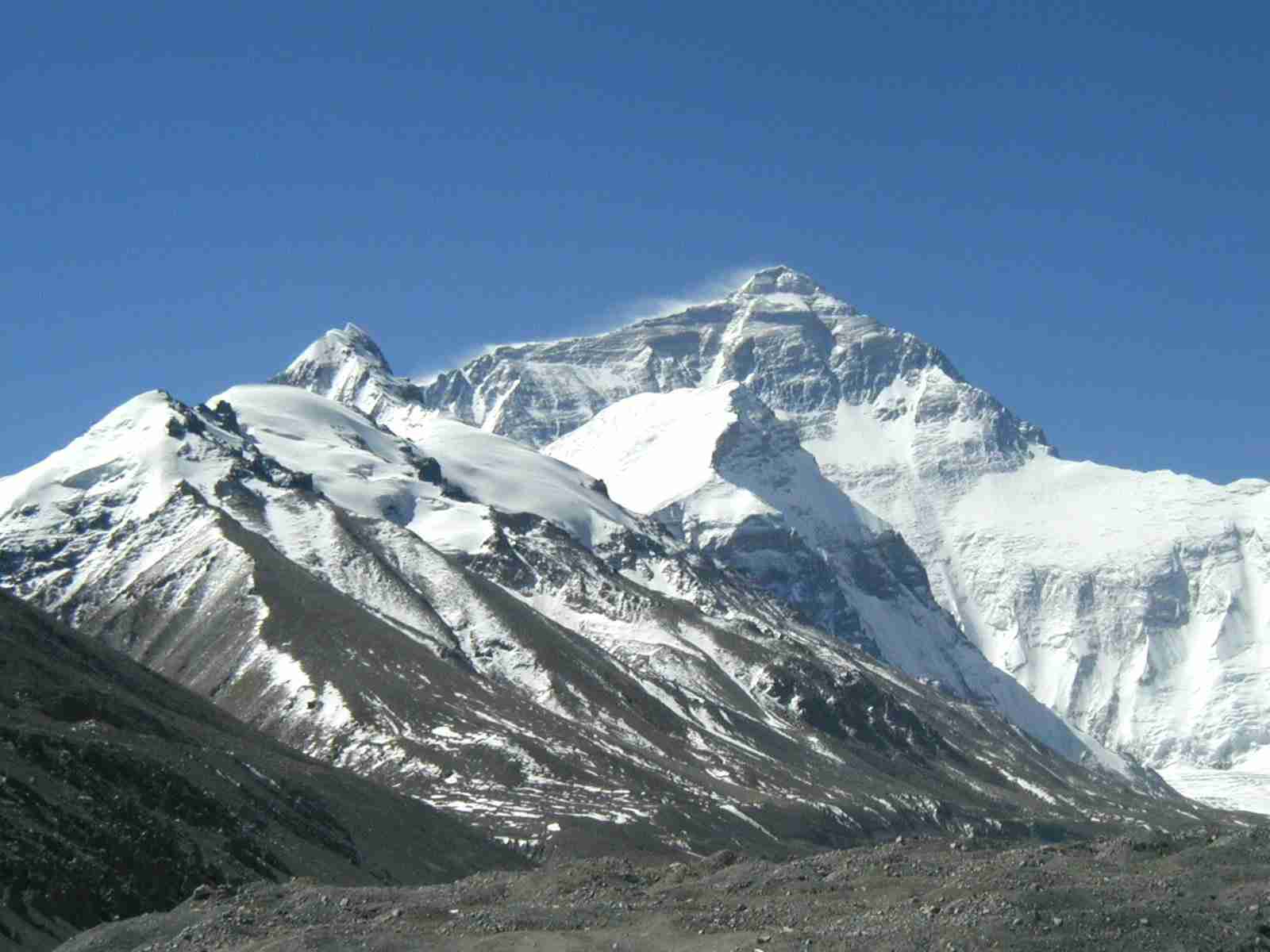
World Mountain Day
Climbing Calendar Ready for World Mountain Day In celebration of World Mountain Day, we've created a calendar for the year to make it easy for...